Table of Contents
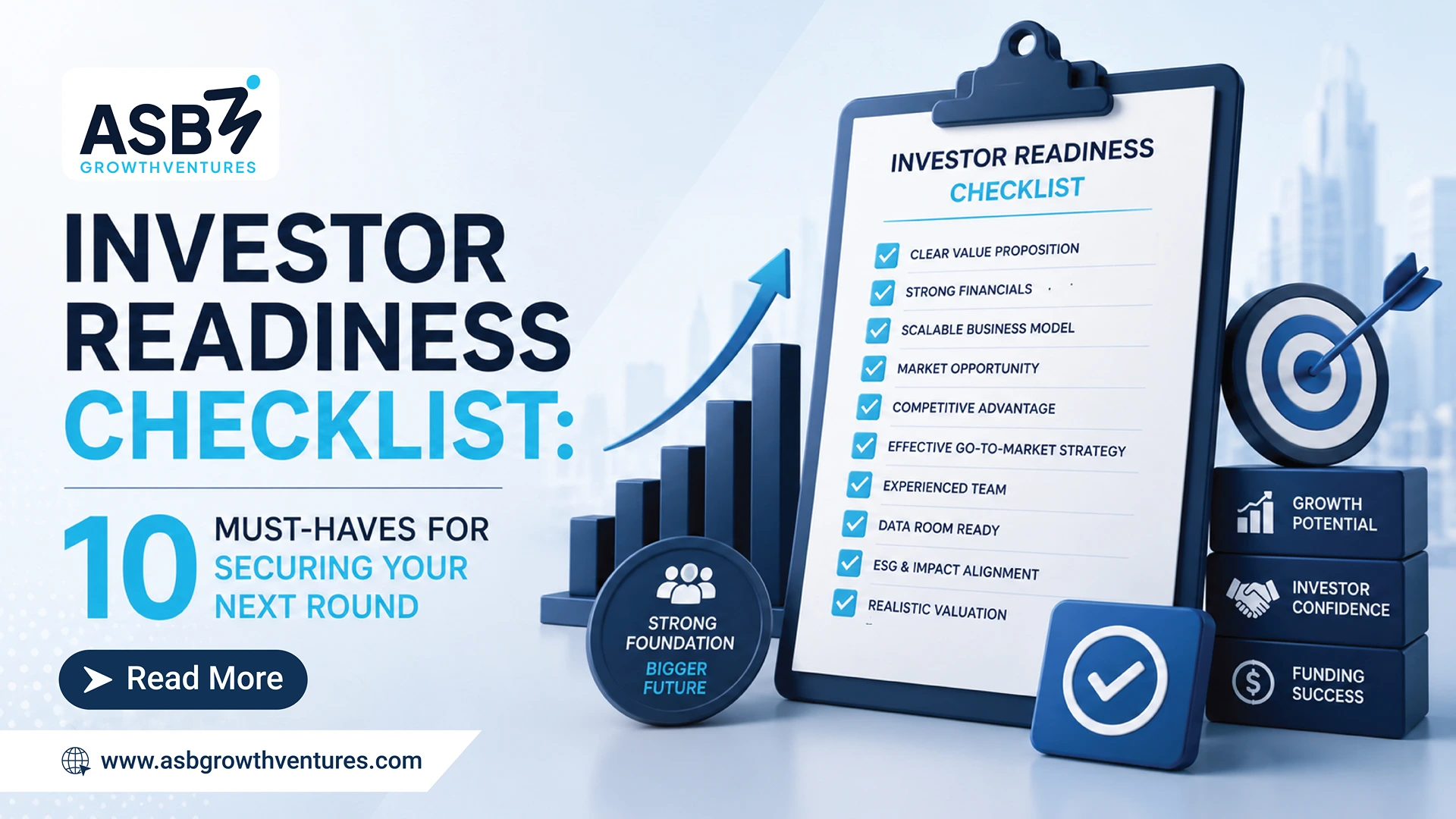
ToggleInvestor Readiness Checklist: 10 Must-Haves for Securing Your Next Round
Most founders think they’re investor-ready. Most aren’t. That’s not a knock it’s just what trusted IPO advisors in India and seasoned transaction advisory professionals see every single day. A decent idea, a rough deck, a few early users, and a founder who says “we just need capital to scale.” That’s not a pitch. That’s a wish.
Investor readiness has layers. At the early stage, it’s about your business model, your numbers, your market. As you grow and start thinking about pre-IPO advisory services or structuring an ESOP advisory program for your leadership team, the bar gets higher. Investors whether angels, VCs, or those looking at SME IPO potential are not just evaluating your idea. They’re evaluating your entire operation.
So before you send that intro email or walk into your first meeting, go through this checklist. These are the 10 things that actually matter when it comes to raising your next round.
1. A Business Model That Actually Makes Sense
This sounds obvious. It isn’t. A lot of founders can explain what their product does but struggle to explain how the business makes money sustainably. Before anything else, you need to be crystal clear on your revenue model, your pricing logic, and your path to profitability.
Investors want to know:
- How do you make money today?
- What does your margin look like?
- How does this scale without costs growing at the same rate?
If you can’t answer these clearly in two minutes, that’s the first thing to fix.

2. Clean Financials and Honest Numbers
Nothing kills investor confidence faster than messy books. Your financial statements need to be accurate, up to date, and prepared by someone who knows what they’re doing. This includes your P&L, balance sheet, and cash flow statements.
Be ready to show:
- Current burn rate and runway
- Revenue vs projection tracking — backed by solid financial modeling
- Unit economics — CAC, LTV, gross margin
- Break-even timeline
Investors do their own math. If your numbers don’t hold up under scrutiny, the conversation ends. Transparency here builds trust that no pitch deck ever can.
3. A Pitch Deck That Respects the Reader's Time
Keep it between 10 and 14 slides. That’s it. Investors review dozens of decks a week they’re not reading your 30-slide document. Your deck should cover the problem, your solution, the market, traction, the business model, the team, and the ask.
A few things that often get left out:
- Why now — what’s changed in the market?
- Why you — what makes this team the right one?
- What the money is specifically going toward
Good design matters too. A cluttered, text-heavy deck signals that you haven’t practiced communicating your vision. Clarity in the deck usually reflects clarity in the business.
4. Proof That People Want What You're Building
Traction is the most compelling thing you can bring to a funding conversation. Revenue, users, signed pilots, letters of intent any of these tell investors that the market has validated your idea, not just you.
Traction doesn’t have to mean millions in revenue. It can mean:
- 500 paying customers with strong retention
- A waitlist of 10,000 with high intent scores
- A pilot with a recognizable brand name
- Clear month-on-month growth curves
The narrative changes completely once you have proof points. You go from asking someone to believe in a vision to showing them data that speaks for itself.
5. A Cap Table With No Surprises
Your capitalization table needs to be clean, up to date, and easy to read. Investors will want to see the full ownership structure founders, early employees, advisors, convertible notes, ESOP pool, all of it.
Red flags investors look for: overly diluted founders, complex structures from early rounds that weren’t cleaned up, missing documentation on previous investments. These things don’t necessarily kill a deal, but they slow everything down and create uncertainty.
Get a lawyer to review your cap table before fundraising, especially if you’ve had early angel investors or grants.

6. Legal and Compliance Documentation in Order
Every founder thinks due diligence is a problem for later. Investors think about it from the first meeting. If your legal documents aren’t ready, your funding timeline will stretch by months.
Have these ready:
- Certificate of incorporation and MoA/AoA
- Shareholder agreements
- IP assignments — especially for tech products
- Any existing NDAs or client contracts
- Tax filings and compliance certificates
Being prepared here says something about how you run your company. Investors notice.
7. A Clear Funding Ask With Purpose
“We’re raising $2M” is a statement. “We’re raising $2M to hire three senior engineers and expand into two new markets, which gets us to profitability in 18 months” is a plan. Know the difference.
Break down your use of funds clearly:
- How much goes to product, sales, operations?
- What milestones does this round help you hit?
- What does your next 12-18 month roadmap look like?
Investors aren’t handing you money, they’re buying a stake in your future. Show them exactly where that future is headed and how you plan to get there.
8. A Team That Can Execute
It’s a cliche because it’s true investors back people, not ideas. Your founding team’s background, skills, and dynamic matter a lot. So does your ability to attract and retain talent.
Be ready to speak to:
- Why this team specifically?
- What complementary skills exist across founders?
- What’s your ESOP structure for future hires?
- Have you worked together before? How did that go?
If there are gaps in the team, acknowledge them. Know what roles you’re hiring for with this round. Investors respect self-awareness.
9. A Defined Market With Real Data
“The market is worth $50 billion” doesn’t mean much if you can’t explain what portion of that is actually accessible to you right now. Know the difference between TAM, SAM, and SOM and be honest about the SOM.
Your market slide should answer:
- Who is your actual target customer?
- How big is that segment specifically?
- How are you planning to reach them?
- Who else is competing for the same wallet?
Back this up with third-party research where possible. Your own assumptions are less credible than industry reports, customer surveys, or analyst data.
10. Due Diligence Readiness
Once an investor says they’re interested, the next step is due diligence and this is where a lot of deals slow down or fall apart. Being prepared for it before you start fundraising puts you miles ahead.
Build a data room with:
- Corporate documents and shareholder agreements
- Financial statements for the last 2-3 years
- IP and technology documentation
- Customer contracts and retention data
- Regulatory approvals or pending certifications
A well-organized data room doesn’t just speed up the process, it builds confidence. It tells investors that you run a serious operation.

Final Thought
Fundraising is a process, and like any process, preparation is what separates the startups that close rounds from the ones that keep getting meetings with no outcome. Whether you’re raising a seed round or working with an IPO consultant to prepare for a public listing, the fundamentals are the same clarity, structure, and proof.
Go through this checklist honestly. Fix what’s broken. Fill in what’s missing. Then walk into that room knowing you’ve done the work.
How ASB Growth Ventures Adds Value
At ASB Growth Ventures, we work with founders at exactly this stage, the point where the business is real but the fundraising infrastructure isn’t quite there yet. We’ve seen what investors actually look for, and we help startups close those gaps before they become deal-breakers.
Our work spans investment readiness assessments, financial modeling, pitch deck structuring, cap table cleanup, and ESOP advisory for companies building out their leadership teams. For businesses eyeing the public markets, our pre-IPO advisory services and SME IPO consultant support help founders understand what that journey actually involves well before they’re in the room with an exchange.
We also support transaction advisory for companies going through acquisitions, mergers, or strategic partnerships making sure the financial and legal groundwork is solid before any deal moves forward.
If you’re preparing for your next raise and want an honest assessment of where you stand, that’s exactly the conversation we’re here for.