Table of Contents
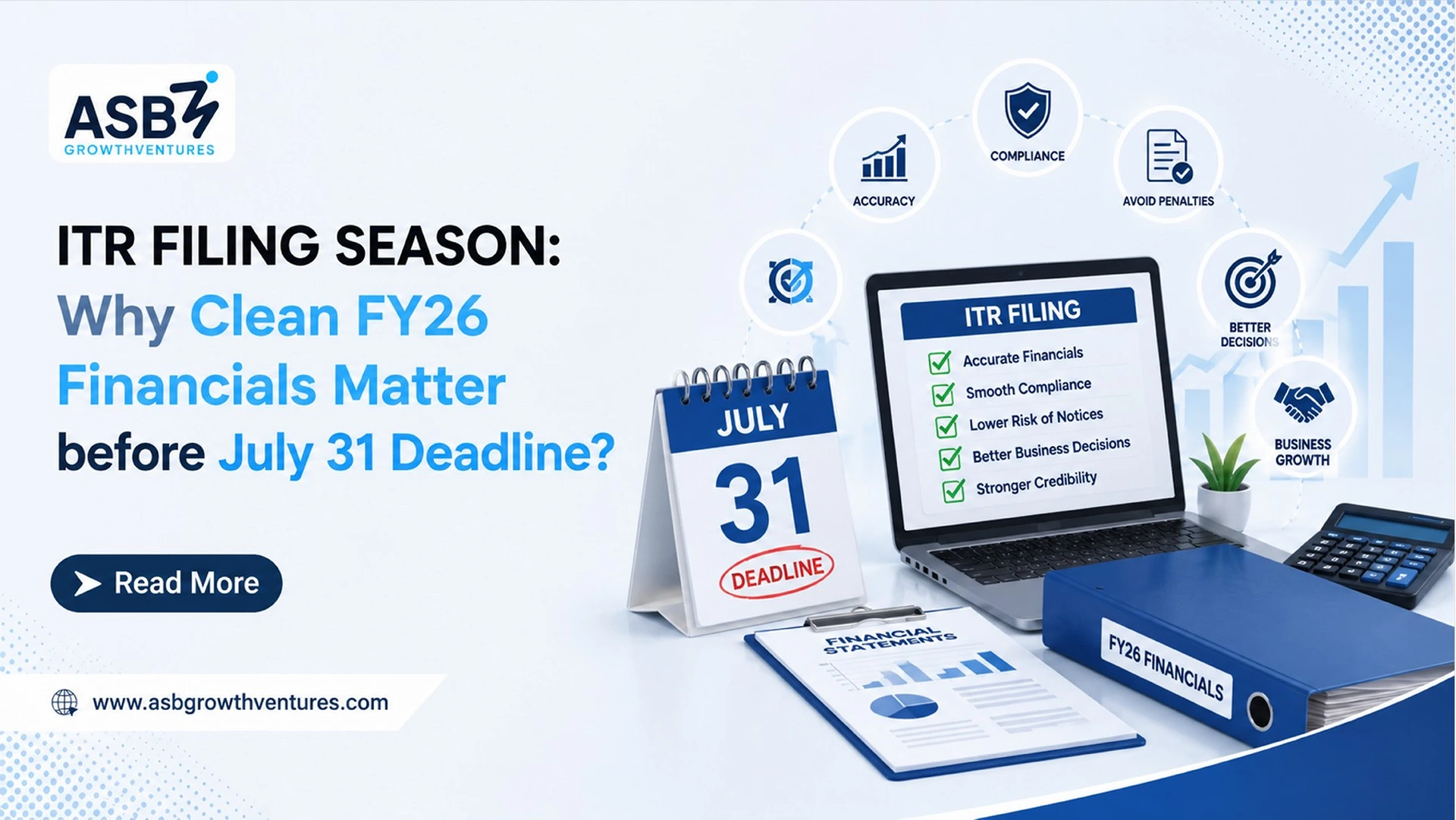
ToggleITR Filing Season, IPO Vision: Why Clean FY26 Financials Matter More Than Ever Before the July 31 Deadline
Every year around this time, the same thing happens. Founders who’ve been putting off their books suddenly remember that the ITR deadline exists. Accountants get flooded with calls. Documents that should have been ready months ago get pulled together in a rush.
If you’re just filing a personal return, that scramble is annoying but survivable. If you’re a company with an IPO somewhere on the horizon, even a vague one, it’s a different story. The financials you file this July aren’t just a compliance box you tick. They become part of the track record that merchant bankers, auditors, and eventually investors will look at when you decide to go public.
Here’s why this particular filing season carries more weight than most founders realize.
The July 31 Deadline Is Not Just About Avoiding a Penalty
Most people think about the ITR deadline in terms of late fees and interest. Miss it, pay a penalty, move on. For a company with IPO ambitions, that’s the smallest part of the problem.
Your FY26 return becomes a data point that gets cross-checked against everything else later. Bank statements. GST filings. Audited financials. Board resolutions. When a merchant banker or an IPO advisor starts due diligence 18 months from now, they’re going to line up your ITRs against your books and look for gaps. A rushed, inconsistent, or hastily patched-together return filed in the last week of July creates exactly the kind of gap that raises questions later.
Filing on time isn’t the goal here. Filing accurately, with numbers that actually tie back to your books, is the goal. The deadline is just the forcing function.

What “Clean” Financials Actually Mean to Someone Evaluating an IPO?
Founders often assume clean means audited and error-free. That’s part of it, but it’s not the whole picture.
When someone is assessing IPO readiness, they’re looking for consistency across every document your company has produced. Revenue in your ITR should match revenue in your GST returns. Both should match what shows up in your audited financials. Related party transactions should be disclosed the same way everywhere, not described one way in your books and another way in your tax filing.
A few things that consistently get flagged:
- Revenue figures that move around depending on which document you’re looking at
- Expenses claimed in the ITR that don’t have a clear trail back to invoices or bank records
- Related party transactions that show up in one filing but not another
- Sudden changes in accounting treatment between years without explanation
None of these are necessarily signs of anything wrong. But they slow everything down, because someone now has to explain the discrepancy, and explaining things after the fact is always harder than getting them right the first time.
Why FY26 Specifically Matters?
If you’re a company thinking about an IPO in the next two to three years, FY26 is likely going to be one of the years that shows up in your DRHP. SME IPOs typically need audited financials for the last three years. Main board listings need more, and eventually a proper financial model to back up the growth story you’re pitching, not just clean historicals. Either way, this year’s numbers are not going anywhere. They’ll be sitting in your filing history whether you like it or not.
Companies that treat this year’s ITR as just another form to submit are setting themselves up to explain, defend, or in some cases restate numbers later. Companies that treat it as the start of building a clean financial record save themselves that headache entirely.
It’s a small mindset shift, but it changes how carefully you review things before you hit submit. If you’re an SME with an IPO in mind, this is also a good point to bring in an SME IPO consultant, someone who already knows what SME exchanges look for and can flag gaps in your FY26 numbers while there’s still time to fix them.
The GST-Books-ITR Triangle
This one comes up constantly and it’s worth calling out on its own. Your GST filings, your books of account, and your income tax return need to tell the same story. When they don’t, it’s usually not because someone did something wrong. It’s because different teams filed different things at different times, using slightly different numbers, and nobody reconciled them.
Before you file this year, sit down and actually reconcile GST turnover against ITR revenue. Check that debtors and creditors in your books match what’s reflected in your filings. If there’s a mismatch, figure out why before you file, not after someone else finds it.
This reconciliation work is tedious. Nobody enjoys doing it. But it’s exactly the kind of unglamorous groundwork that separates companies with a clean filing history from companies that spend months during due diligence explaining old discrepancies.
What Waiting Until August Actually Costs You?
There’s a version of this where a company just files late, pays the penalty, and figures it’ll deal with any issues when the IPO conversation actually starts. That approach works fine if you’re not planning to go public. If you are, it doesn’t really work.
Late filings, rushed reconciliations, and numbers thrown together to beat a deadline tend to have errors. Errors get caught eventually, usually at the worst possible time, which is during due diligence when timelines are tight and every question slows the process down. That’s often the point where a transaction advisory team gets pulled in just to explain gaps that shouldn’t have existed in the first place. Fixing something in July costs you a few extra hours with your accountant. Fixing the same thing 18 months later, in front of a merchant banker, costs you weeks and a fair amount of credibility.

What to Actually Do Before You File?
A few practical steps, none of them complicated, all of them worth doing before this year’s deadline:
- Reconcile your GST turnover against your books and your projected ITR revenue.
- Review related party transactions and make sure they’re disclosed consistently across all your filings.
- Check that any large or unusual expenses have proper documentation behind them, not just an entry in the ledger.
- If your revenue jumped or dropped significantly this year, be ready to explain why in plain terms, because someone will eventually ask.
- If you’re even loosely considering an IPO in the next few years, loop in your CA or IPO consultant now, not after you’ve filed.
None of this is complicated. It just takes time, and time is the one thing that runs out fast as the deadline approaches.
Final Thoughts
The ITR deadline feels like a routine compliance date, and for most businesses, it is. But if there’s an IPO anywhere in your future, even a distant one, this year’s filing is quietly building the track record that people will scrutinize later. The companies that get this right aren’t doing anything dramatic. They’re just being careful about numbers now instead of explaining them later.
July 31 is coming either way. What you file by then, and how clean it is, is entirely up to you.
How ASB Growth Ventures Adds Value?
This is the kind of groundwork we spend most of our time on. As an IPO consultant based in Mumbai, we work with founders on FY26 reconciliations, ESOP advisory, and pre IPO advisory services well before the DRHP stage, so nothing needs explaining later.
Whether you’re an SME looking for an SME IPO consultant or a larger company that wants trusted IPO advisors in India, our team includes some of the top chartered accountants for IPO in Mumbai. If you’d rather sort out the gaps now than during due diligence, we’re happy to talk before you file this year.